

Medical waste removal is one of those topics most people never think about until they’re suddenly facing a situation where it matters. Whether you’ve found a collection of used syringes at a property, are managing the aftermath of an unattended death, or are dealing with contaminated materials after a medical event at home, knowing what qualifies as medical waste and why it can’t simply go in the trash is genuinely important. The short answer: improper disposal creates real health and legal risks, and professional removal is the right path forward.
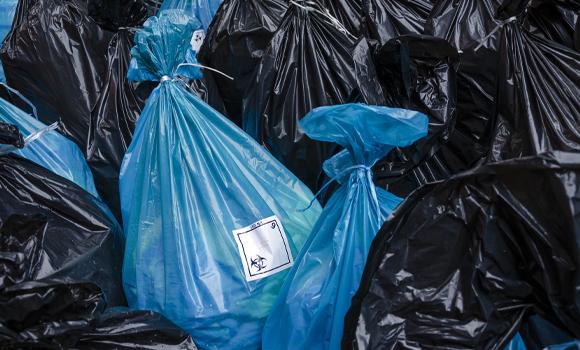
What Actually Counts as Medical Waste
People are often surprised by how broad this category is. Most of us picture hospital waste bags and needles, and yes, those count. But medical waste includes a wider range of materials than many realize.
Sharps are probably the most commonly encountered form outside of clinical settings. That includes syringes, needles, lancets, and broken glass contaminated with blood. Used sharps can carry bloodborne pathogens like HIV, hepatitis B, and hepatitis C, and a single accidental needlestick is all it takes to cause a serious exposure. Dropping them in a household waste bin is not just irresponsible; it puts sanitation workers, neighbors, and anyone who might handle that bag at real risk.
Beyond sharps, medical waste commonly includes items like blood-soaked bandages or dressings, tubing and catheters, biohazard bags and their contents, used gloves contaminated with bodily fluids, and any materials that came into contact with infectious substances. In cleanup scenarios, such as an unattended death or a decomposition situation, a much larger volume of porous materials like carpeting, padding, drywall, and furniture may also need to be classified and disposed of as biohazardous waste.
Why You Can’t Handle It Like Regular Trash
The regulations around medical waste disposal exist for good reasons. In Texas, improper disposal of medical or biohazardous waste can result in significant legal penalties. But beyond the legal side, the practical health risks are serious. Bloodborne pathogens can survive outside the body for days under the right conditions. Decomposition fluid soaking into subflooring or soil creates contamination that ordinary cleaning products simply won’t address.
This is where professional help becomes more than just a convenience. Certified biohazard technicians are trained to identify, contain, and transport these materials following strict protocols. The disposal itself has to go through approved channels, not a standard dumpster or municipal waste stream.
We use EPA Registered Hospital Disinfectants on every job, which are a significant step above what’s available on store shelves. That matters when you’re trying to bring a space back to a genuinely safe condition, not just a visually clean one.
Situations Where We See Medical Waste Most Often
In our work across Dallas, Fort Worth, Richardson, McKinney, Denton, and surrounding areas in North Texas, we respond to medical waste situations in several common contexts.
Properties where someone has been living with a chronic illness or receiving in-home medical care often have accumulated sharps containers, used supplies, and contaminated materials that need proper removal. Unattended deaths and decomposition scenes, which we handle regularly throughout Dallas County and beyond, almost always involve significant biohazardous material that requires trained disposal. Drug-related scenes can present a mixed picture, with both biological contamination and chemical hazards present at once.
We also help property managers, landlords, and families who discover a previous tenant or resident left behind sharps or other biohazardous materials. It happens more often than people expect, and it’s not something you want to address with a pair of rubber gloves and a garbage bag.
What to Do If You’re Facing This Right Now
The most important thing is not to handle unknown sharps or contaminated materials with bare hands or improvised protection. Set up a barrier if you can, keep others away from the area, and call someone who is equipped to deal with it properly.
We’ve been serving families and property owners in the Dallas and Fort Worth area for 19 years. Our team is available around the clock, every day of the year, and we never hand jobs off to subcontractors. Every call, every job is handled by our own trained and certified technicians. We also offer free estimates, firm pricing before any work begins, and completely confidential service. If it would help to have us contact your insurance company on your behalf, we’re glad to do that too.
If you’re dealing with medical waste at a property in Fort Worth, Denton, McKinney, Dallas, or anywhere in the surrounding area and you’re not sure where to start, please give us a call or drop us an email. We’ll walk you through what’s involved and help you figure out the right next steps.