
Odor abatement is the process of identifying and neutralizing the source of a persistent, often dangerous smell rather than simply masking it. If you’ve ever noticed a bad odor return days or weeks after a cleaning, the reason is almost always the same: the source was covered up, not eliminated. For situations involving biological material, that distinction matters enormously, both for your health and for your peace of mind.
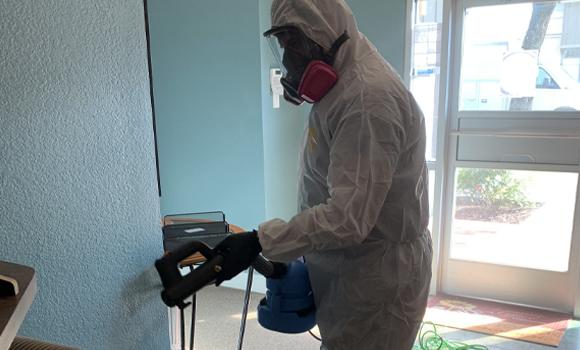
Table of Contents
Where Problem Odors Actually Come From
Most people assume a strong smell means a surface needs scrubbing. In biohazard situations, that’s rarely the full picture. Blood, decomposition fluid, and other biological matter don’t stay on top of surfaces. They absorb into porous materials like subfloor wood, drywall, carpet padding, insulation, and concrete. Once those materials are saturated, they off-gas continuously, which is why the smell seems to disappear for a day or two and then comes roaring back.
Decomposition is especially aggressive in this regard. The compounds released during organic breakdown are small enough to penetrate materials that seem solid, and heat only accelerates the process. Homes and vehicles in the Dallas and Fort Worth area face months of high temperatures that can drive odor deeper into structure than you’d expect.
Trauma scenes involving blood or other bodily fluids carry a similar challenge. Even after visible material is removed, proteins left behind in porous surfaces continue to break down. Without proper treatment at the source, the odor returns. So do the associated health risks.
What Professional Odor Abatement Actually Does
Professional odor abatement goes several steps beyond standard cleaning. The process starts with a thorough assessment to locate every affected material, including areas that aren’t immediately visible. That might mean checking beneath flooring, inside wall cavities, or under insulation. Once all contaminated material is identified, the approach combines physical removal of compromised materials where necessary with the application of EPA-registered hospital disinfectants that break down biological compounds at a microbial level.
We’ve been doing this work across Arlington, Plano, McKinney, and the broader North Texas region for 19 years, and one thing we’ve learned is that there’s no shortcut for this step. The disinfectants we use are not consumer-grade products; they’re industrial agents that neutralize the biological source of the smell rather than coating it with fragrance. Fogging and hydroxyl or ozone treatments may then be used depending on the scope of contamination, pulling airborne particulates out of the space and treating areas physical scrubbing can’t reach.
The goal at the end of all of this is a space that doesn’t just smell clean on the day we leave. It should stay that way.
Why the Smell Keeps Coming Back Without It
This is the question we hear most often, usually from people who’ve already tried to handle a situation themselves or hired a general cleaning service not trained in biohazard work. Standard cleaning products, even strong ones, work on a surface level. They do not penetrate the materials where biological contamination has settled, and they do not neutralize the compounds responsible for odor at a chemical level.
Humidity cycling, common in North Texas through late summer and into fall, causes porous materials to expand and contract. That movement releases trapped compounds back into the air. A space that seemed fine in the dryer conditions of September can smell significantly worse once the weather shifts. Without true abatement at the source, the problem is essentially waiting to return.
There’s also a safety dimension here that goes beyond comfort. Decomposition odor and the off-gassing from certain biological materials can indicate ongoing contamination that poses real health risks. Odor abatement is not just about livability; in many situations, it’s part of restoring a space to a safe condition.
Situations That Typically Require Odor Abatement
In our experience serving families and property owners across Dallas, Fort Worth, and surrounding areas, the situations most likely to need dedicated odor abatement include unattended deaths and decomposition scenes, trauma and suicide cleanup, vehicle decontamination after a death or serious injury, and spaces where a meth or drug lab was operating. Drug residue and chemical byproducts from illegal lab activity produce their own persistent odors that standard cleaning won’t touch.
Each of these situations is different, and the scope of work varies. That’s why we always provide a free estimate before any work begins, with firm, upfront pricing so there are no surprises. We’re also happy to notify your insurance carrier on your behalf, which can take one more thing off your plate during an already difficult time.
If you’re dealing with a persistent odor from any kind of trauma, death, or contamination event, please give us a call or drop us an email. We’re available around the clock, every day, and everything we do is handled confidentially by our own trained and certified team.